Guide · Rome, Italy
Rome: ruins, piazzas and Roman kitchens
Three thousand years of history in a city you explore on foot, one piazza and one plate of pasta at a time
 DaysawayBy Daysaway@daysaway
30 places
Rate this guide
Sign in to rate it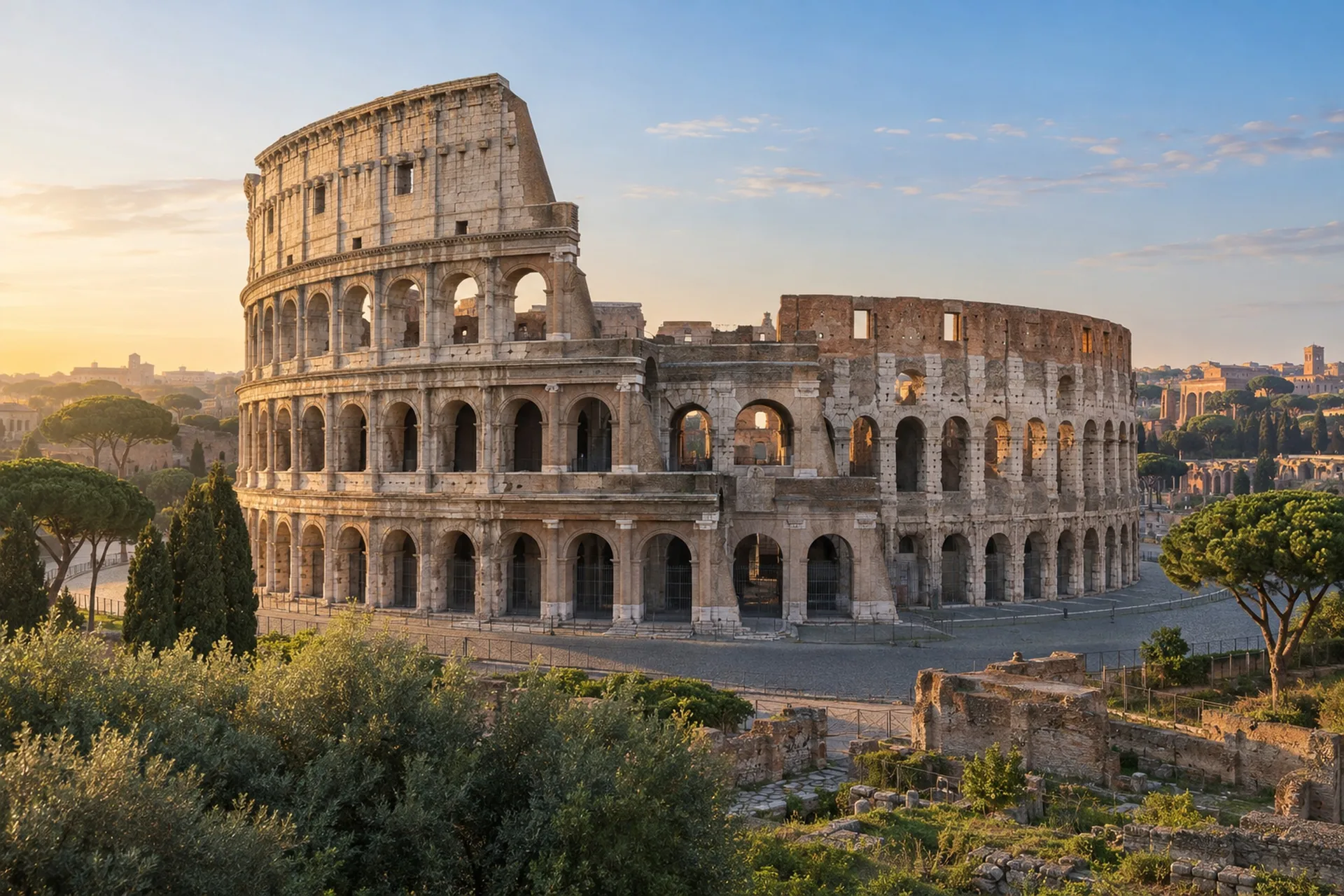
Rome is a city of layers: a medieval church built over a Roman temple, a Baroque fountain on the track of an ancient stadium, a market square where people still shop every morning. Most of what you come for sits within a walk of the historic centre, so the best way to see it is slowly, on foot, with long lunches in between. This guide gathers the sights worth booking ahead, the quarters worth wandering, what to eat and where to stay, for a first visit or a return.
Ancient Rome
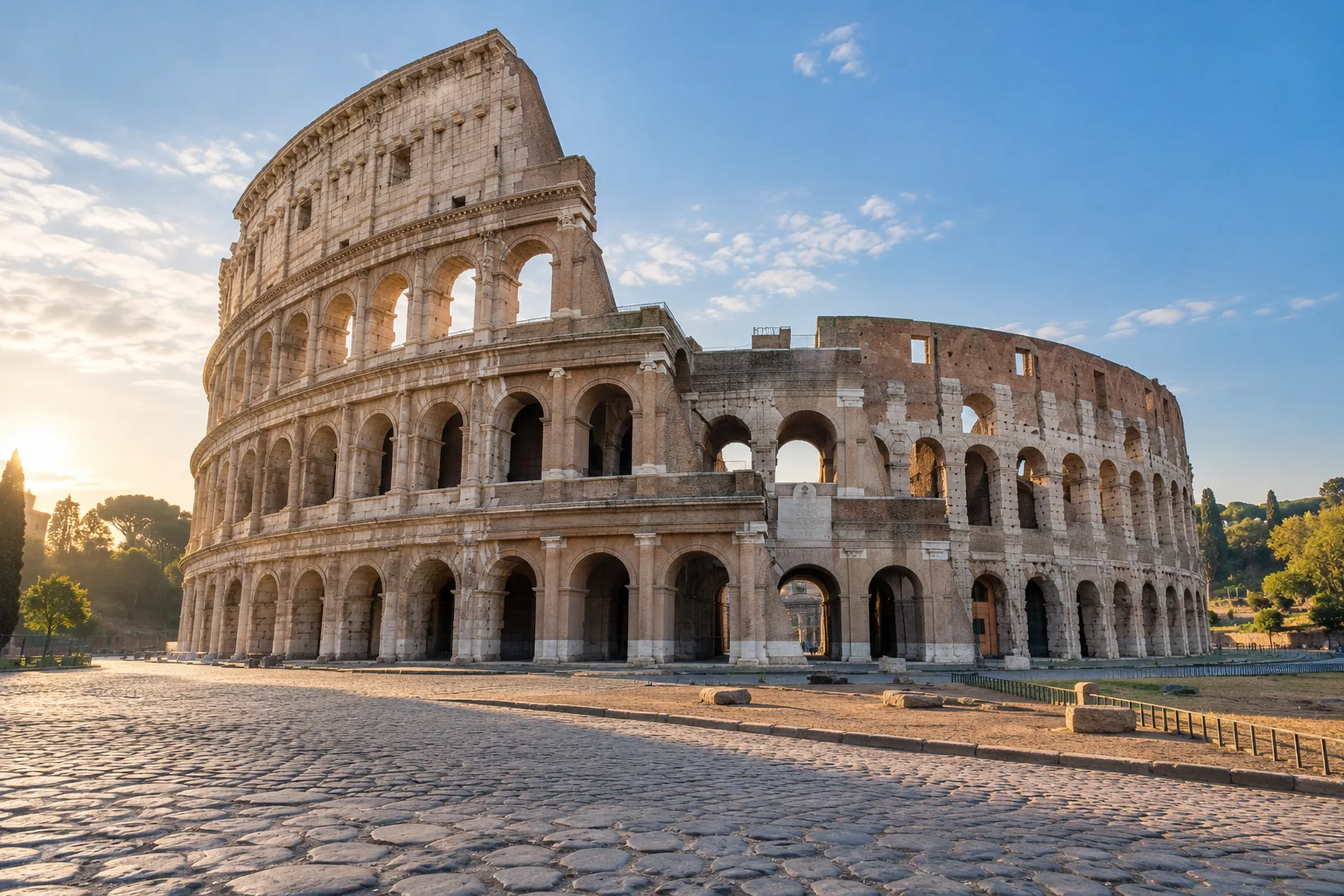
- One ticket, three sitesThe Colosseum, the Roman Forum and the Palatine share a ticket: plan a full morning for all three.
- Go earlyBook the first slot of the day: the arena is quieter and the Forum is cooler before noon.
- Wear good shoesThe Forum is uneven ancient paving and the Palatine is a climb: comfortable shoes make the day.
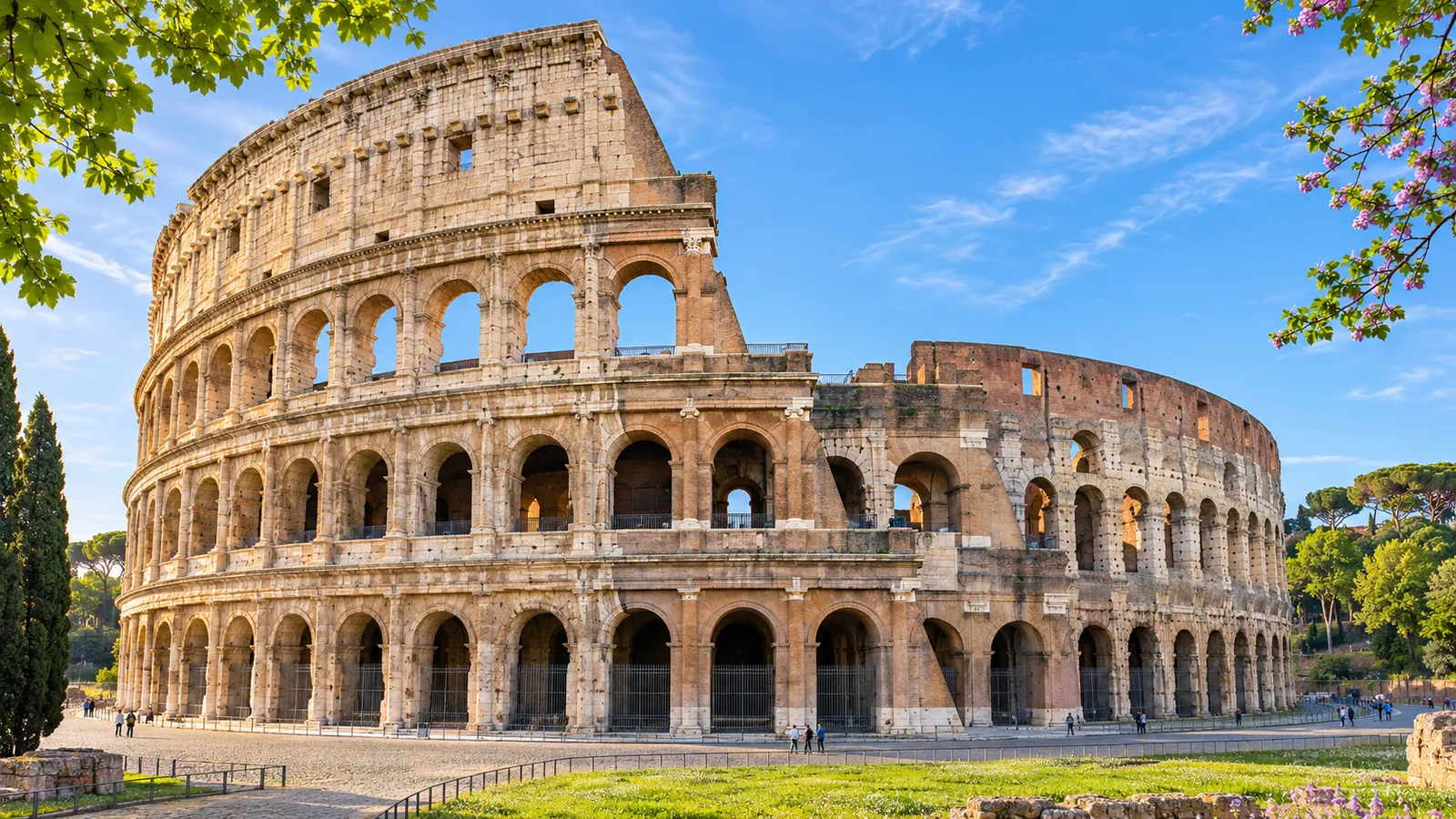
Start where the city started. The is the amphitheatre where gladiators fought before up to 50,000 spectators; book timed tickets well ahead, as they are named and sell out. From there the Via Sacra leads down into the , the political heart of the ancient city, with its temples, triumphal arches and the house of the Vestal Virgins. Climb the above it, where the emperors built their palaces, for the best view back over the Forum.
On the other side of the Forum, the sit on Michelangelo's Piazza del Campidoglio: they hold the bronze she-wolf, the symbol of Rome, and a terrace that looks straight down over the ruins.
Beyond the centre
South of the Palatine, the grassy track of the once held chariot races, and a short walk further on the show how vast Roman public baths could be, with mosaic floors still in place.
Further out, the ancient Appian Way runs between tombs, pines and aqueducts inside the : rent a bike on a Sunday, when much of the road is closed to traffic, and stop on the way at the , where early Christians buried their dead.
Near the Colosseum, the lets you go down through three levels of history: a 12th-century church, a 4th-century church below it, and a Roman house and temple at the bottom.
Piazzas, churches and the Vatican
A walk through Baroque Rome
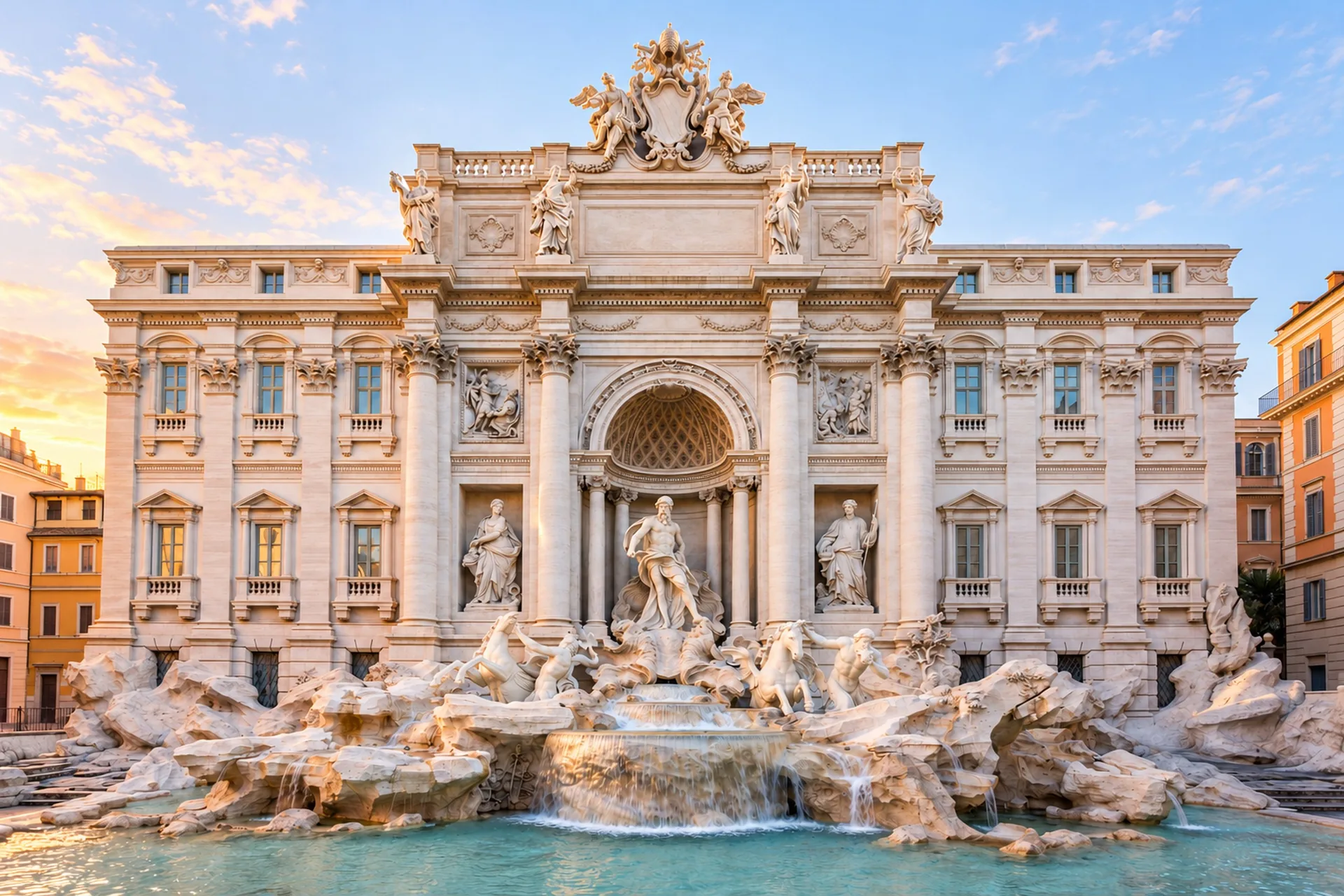
The historic centre is best seen in one long walk. From the Pantheon it is a few minutes to , laid out on the track of Domitian's stadium, with Bernini's Fountain of the Four Rivers in the middle. Cross to , where a market fills the square every morning except Sunday, then wind east to the : come early in the morning or late in the evening to see it without the crowd, and throw a coin over your shoulder to be sure you come back. End in , Piazza di Spagna, and climb the Spanish Steps for the view down Via Condotti.
The Vatican
The are a full morning: the Gallery of Maps, Raphael's Rooms and, at the end, Michelangelo's Sistine Chapel. Book the earliest entry online, and remember they are closed on Sundays except the last Sunday of the month. Next door, holds Michelangelo's Pietà and Bernini's bronze canopy; climb the dome for the view over the colonnade.
Walk back towards the Tiber to Castel Sant'Angelo, the : Hadrian's tomb turned papal fortress, whose terrace looks straight back at St Peter's.
Gardens and viewpoints
The Galleria Borghese stands inside , Rome's great park: walk through it to the terrace above Piazza del Popolo at sunset. Across the river, the hill looks over all the domes of the city, and a cannon is fired from it every day at noon. On the Aventine, the frames the Tiber between orange trees, and a few steps away the keyhole of the gives a perfectly framed view of St Peter's dome.
Eat and drink
Roman cooking is simple and proud of it: a few ingredients, done the same way for generations. Four pastas are the heart of it, and every trattoria makes them:
- Carbonara: guanciale, egg yolk, pecorino and black pepper, never cream
- Cacio e pepe: pecorino and pepper tossed into a silky sauce
- Amatriciana: guanciale and tomato
- Gricia: the amatriciana without the tomato
On the street, try supplì, fried rice balls with a molten heart of mozzarella, pizza al taglio sold by weight, and a trapizzino, a pocket of pizza dough filled with Roman stews. For breakfast, a maritozzo split and filled with whipped cream, with a cappuccino standing at the bar.
- Artichokes in springFrom winter to spring, carciofi alla romana are braised with mint, and alla giudia fried whole until crisp.
- Roman-Jewish cookingThe Ghetto has its own dishes: fried artichokes, fried salt cod and the ricotta and sour cherry tart.
- Coperto on the billRestaurants may add a small cover charge per person. Tipping is not expected; round up if you liked it.
Where to eat
has the densest choice of trattorias and is liveliest in the evening, though the streets nearest the bridges are the most touristy. , the old slaughterhouse quarter, is where the offal dishes of the Roman tradition come from, and has a covered market with food stalls at lunch. The , between the Tiber and Campo de' Fiori, is the place for carciofi alla giudia.
Drink
Romans drink an espresso standing at the counter, and a cappuccino only in the morning. With dinner, try the white wine of the hills south of the city, Frascati. Before dinner, an aperitivo in a piazza of Trastevere or Monti is the way the evening starts.
Areas to stay in
Staying central saves hours: almost everything is within a walk, and coming back to rest in the afternoon is the Roman way. Four areas suit most travellers.
- Centro Storico, around the Pantheon and Piazza Navona: the most atmospheric, everything on foot, and the most expensive.
- , between the Colosseum and Santa Maria Maggiore: a village feel, small shops, wine bars and good trattorias, and a metro stop.
- , across the river: cobbled lanes and ivy-covered houses, lively and noisy at night, a little further from the metro.
- , next to the Vatican: elegant, quieter and well connected, a good choice with children or for an early start at the Vatican Museums.
Every hotel and rental in Rome charges a city tax per person per night, paid on arrival and not always included in the price shown when you book.
Getting around and practical tips
- From the airportThe Leonardo Express train links Fiumicino with Termini station in about 30 minutes.
- On foot firstThe centre is compact and many lanes are closed to traffic: walking is often quicker than the bus.
- Metro and busesTwo main metro lines and many buses; tap a contactless card at the gate, one fare lasts 100 minutes.
- When to goSpring and autumn are the best: mild days, long evenings. July and August are very hot, and crowded.
Book ahead
- Colosseum, Roman Forum and Palatine: timed, named tickets on the official site
- Vatican Museums: the earliest entry, online
- Galleria Borghese: entry only with a booking
- Pantheon: entry is paid, and booking online skips the queue
Good to know
- Cover shoulders and knees in churches: St Peter's checks at the entrance.
- Sitting on the Spanish Steps is not allowed.
- Refill your bottle at the nasoni, the free drinking fountains all over the city.
- Many shops and some restaurants close for a few hours after lunch, and some close in August.
- Watch your bag on crowded buses and around the busiest sights.
More for Rome
Going to Rome?
Put these 30 places in your trip, then drag them into your days.